
Health and safety in Croatia – Everything you need to know about employer’s obligations
Image by Freepik The laws related to health and safety in Croatia include the Occupational Health and Safety Act (or…

Vrijeme čitanja: min
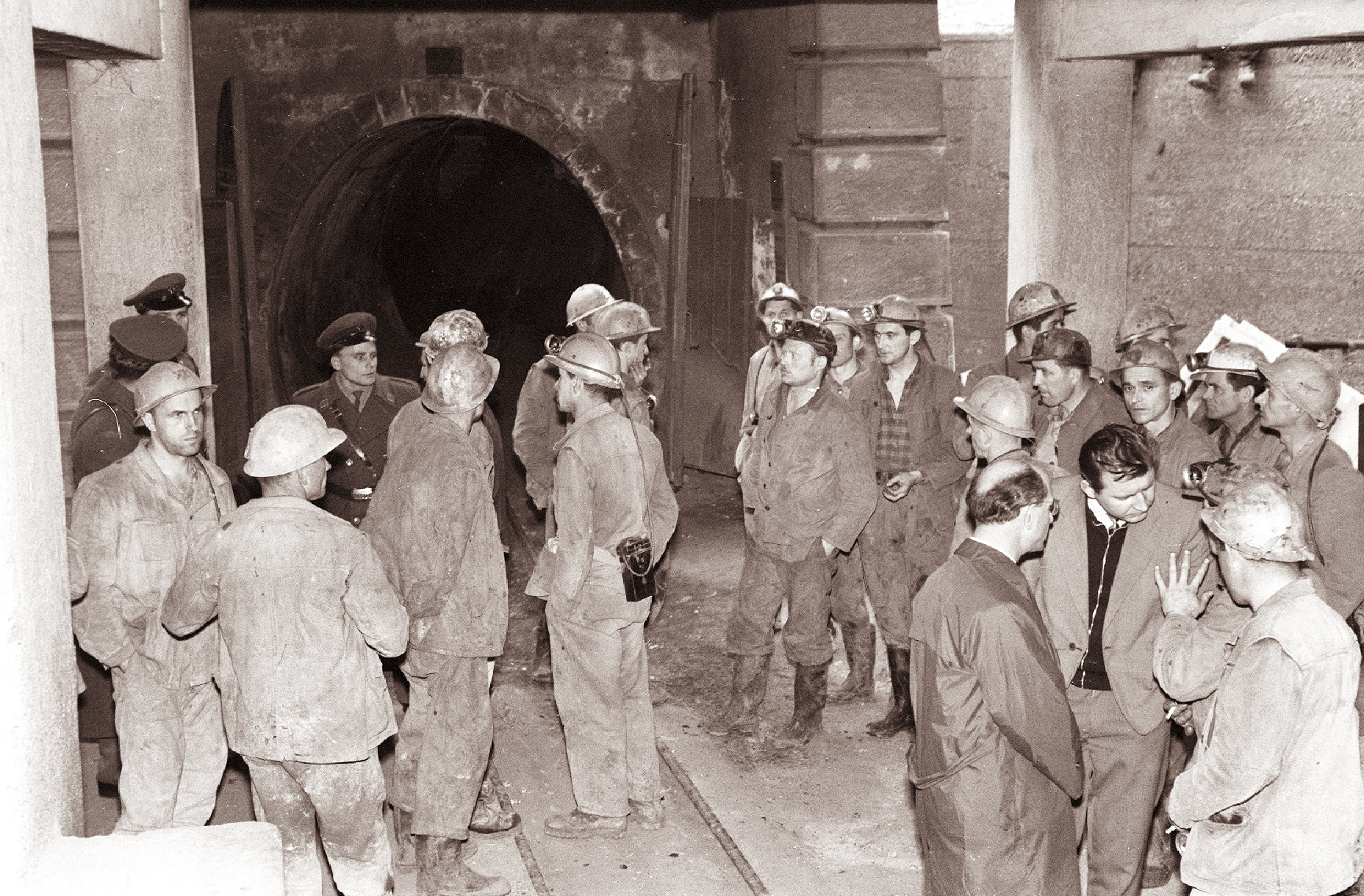
Photo: Mining accident in Zagorje (1961) Wiki commons
The Occupational Safety act (ZNR) in Croatia has a long history and has developed through different phases. Today’s Law is aligned with European directives and follows modern phenomena in the work on temporary construction sites, but its roots are from the law on protection at work from the Socialist Federal Republic of Yugoslavia (SFRY).
Namely, at the time of SFR Yugoslavia, laws on safety at work were regulated at the federal level, i.e. at the state level. One of the first laws to regulate this area was the 1960 ZNR. age. This law laid the foundations for labor protection in Yugoslavia, with the aim of ensuring the safety and health of workers.
Subsequently, occupational safety laws have gone through several audits and additions over the years. A key audit took place in 1978. the year when the new ZNR was adopted. This law introduced a number of novelties, including the obligation for employers to ensure safe and healthy working conditions, regular health checks on workers, first aid insurance in the workplace, and education and training of workers on safety at work.
After the dissolution of SFRY, the Republic of Croatia took over the legislation on safety at work and developed its own laws and regulations. The introduction of new laws and rules in the field of occupational safety in Croatia was aligned with European directives and standards.
One of the important laws in Croatia was The Occupational Safety act of 1996. age. This law set a framework for protecting workers from workplace risks and established occupational safety and health obligations for employers and workers. This was followed by revisions of the law, with the most recent ZNR enacted in 2014. age.
Five years ago , amendments to the Law on Safety at Work were adopted, so today’s ZNR in Croatia is based on European guidelines and standards and aims to ensure the safety and health of workers in the workplace.
The Act prescribes the obligations of employers in relation to risk assessment, ensuring safe working conditions, educating workers about safety at work and cooperation between employers, workers and competent institutions in the field of occupational safety.
It is important to note that occupational safety laws and their application are constantly changing and adapting to new knowledge, technologies and needs of workers and employers.
The Occupational Safety act of 1960. In 1999, SFRY had a significant influence on the development and design of later laws on safety at work in Croatia. Although this Law is more applicable, its fundamental principles and principles have been transferred to later laws.
The 1960 act. In 2001, he laid the foundations for protecting workers from workplace hazards and promoted the idea that occupational safety and health is the responsibility of employers.
This law has recognized the need to ensure safe and healthy working conditions, regular health checks on workers and providing first aid in the workplace. He also stressed the importance of educating and training workers on occupational safety.
Later occupational safety laws in Croatia, such as the 1996 Act, were introduced in Croatia. 2014 and the 2014 Act. In 1960, they continued to promote and advance the principles and principles enshrined in the 1960 Act. age. These laws have broadened the scope of the law, introduced more detailed requirements and obligations for employers and workers, and aligned national legislation with European guidelines.
In short, the Occupational Safety and Safety Act of 1960. In 2001, SFRY laid the foundations for later laws on occupational safety in Croatia. Although the law itself is no longer in force, its principles and principles still have an impact on today’s laws regulating occupational safety in Croatia.
The Occupational Safety act of 1960. In 1999, sfry had some provisions and elements that are not applicable today in the legislation on safety at work in Croatia. Here are some examples:
Revision of the Occupational Safety act of 1978. In other news, The Hague tribunal has amended the Occupational Safety Act of 1960. In 2001, SFRY introduced several novelties and improvements in the field of occupational safety. Here are some key changes that have been introduced:
These changes were aimed at improving the safety and health of workers and creating a safer working environment in line with progress in the field of occupational safety.
Today’s Croatian Law on Safety at Work bears certain similarities with the Yugoslav law of 1978. years, but there are also significant differences. Here are some key points related to similarities and differences:
Similarity:
Differences: