
Health and safety in Croatia – Everything you need to know about employer’s obligations
Image by Freepik The laws related to health and safety in Croatia include the Occupational Health and Safety Act (or…


Vrijeme čitanja: min
One of the issues plaguing many employers is what to do when you decide to introduce surveillance devices, i.e. cameras to increase workplace safety, but the works council is against that decision.
Namely, on the basis of Art. 43 of the Occupational Safety Act (OG 71/14 and 118/14 – further act), an employer may use supervisory devices as a means of safety at work under the conditions prescribed by this Act.
Thus, they may be set up to monitor entrances and exits from workpremises and premises and to reduce workers’ exposure to the risk of robbery, burglary, violence, theft and similar events at work or in connection with work.
But it is forbidden to install the aforementioned devices in the premises for personal hygiene and changing of workers.
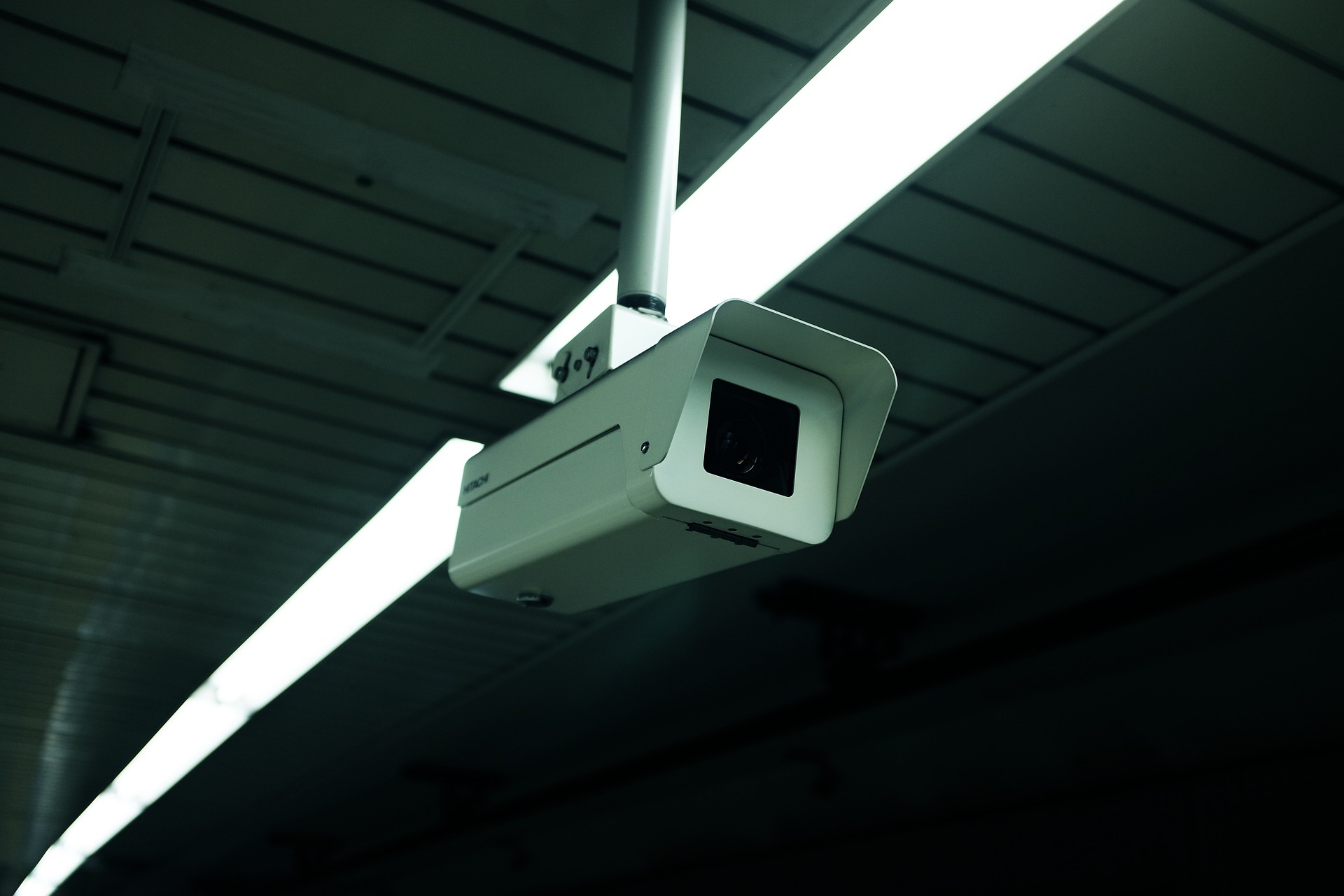
Photo: StockSnap/Pixabay
The problem arises when monitoring devices monitor all the movements of workers during the performance of work all working hours, or if the monitoring devices are set up so that the workers are in the field of vision of surveillance devices all the time during work.
Namely, in Art. 43. St. 4. The law stipulates that the employer may use surveillance devices in this way solely on the basis of the prior consent of the works council.
In the following paragraph, the Law stipulates that if the workers’ council, i.e. a trade union trustee with the rights and obligations of the works council withholds consent, the employer may, within 15 days from the date of delivery of the declaration of denial of consent, request that this consent be replaced by an arbitral award in accordance with the implementing regulations adopted on the basis of the general labour regulation.
In the Labour Code (OG 93/14 and 127.17.), arbitration dispute resolution and arbitral awards are prescribed in Art. 210. – 212.
Art. 151. St. 4. and 5 of the same Act, stipulate that if the workers’ council withholds consent, the refusal must be reasoned in writing, and the employer may, within 15 days from the date of delivery of the declaration of denial of consent, request that this consent be replaced by the arbitral award and that the arbitration referred to in paragraph 1of the arbitration referred to in paragraph. 4. of this Article is carried out by an arbitrator who is selected from the list, established by the Economic and Social Council, by the parties to the dispute, i.e. determined by mutual agreement.
Otherwise, in Croatia, the use of surveillance cameras at the workplace is regulated by a number of laws and regulations regarding the protection of personal data, labor relations and workers’ rights. Some of the key laws addressing these issues include:
It is important to note that the primary goal of all these laws and regulations is to protect the rights of workers, privacy and personal data. Employers should ensure transparent and accountable use of surveillance cameras, while respecting all rights and obligations of workers. It is always advisable to consult current versions of laws and regulations and, if necessary, seek legal advice to ensure proper treatment regarding the use of surveillance cameras in the workplace.